The Allure of Risk and Reward
The psychology of casino gambling is intrinsically linked to the allure of risk and the potential for reward. Many individuals are drawn to the thrill of placing bets, as it activates the brain’s reward system. This system releases dopamine, a neurotransmitter associated with pleasure, when a person experiences wins or anticipates a big payout. The excitement can lead to a heightened sense of happiness and euphoria, making players more likely to return to the casino. Moreover, engaging in activities like casino not on gamstop can further influence habits in unexpected ways.
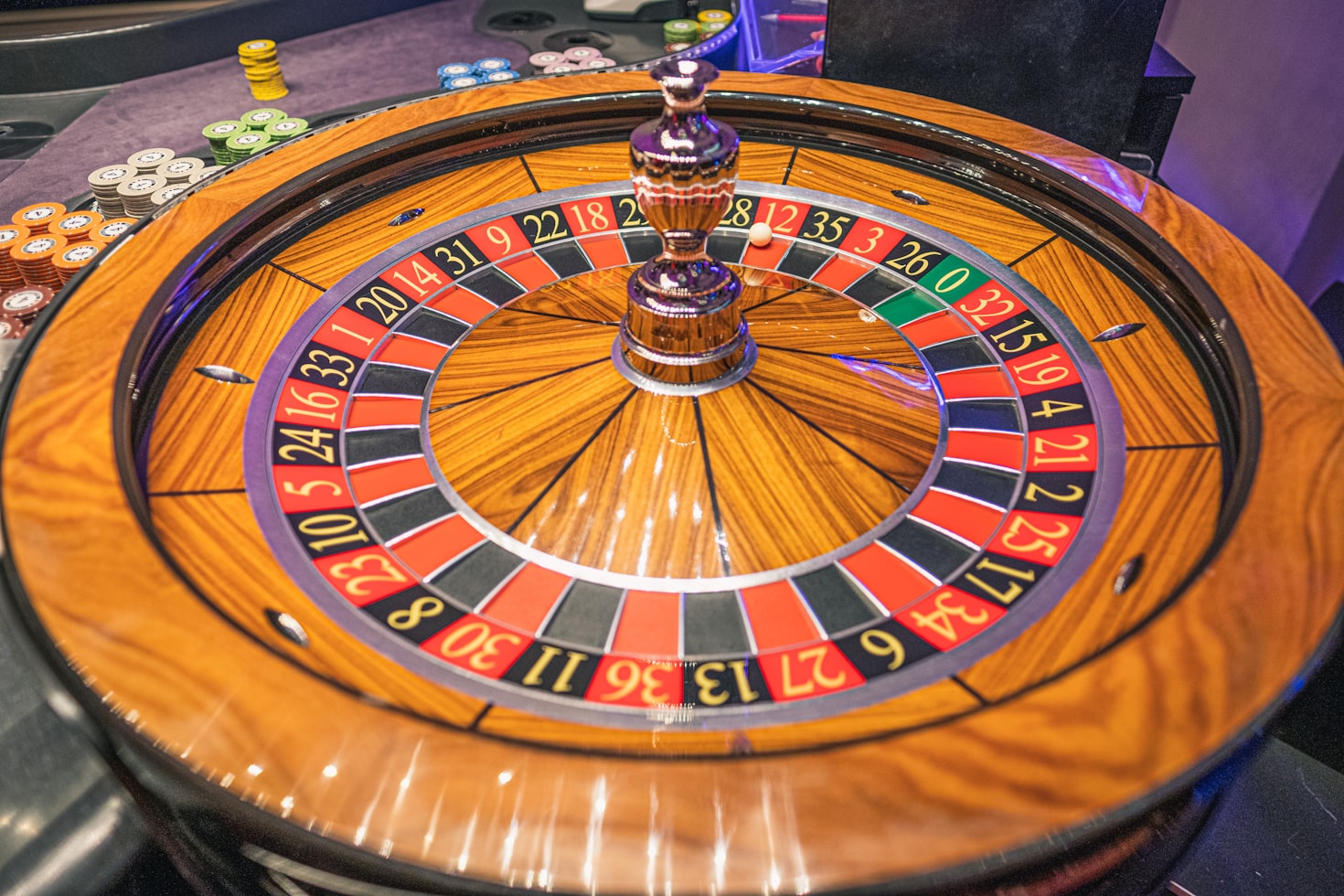
Moreover, the concept of risk is often misperceived. Gamblers may think they can influence outcomes through strategies or “lucky” routines, which can enhance their enjoyment. This belief can lead to repeated visits, as each trip holds the tantalizing promise of fortune, further cementing the cycle of behavior surrounding gambling.
Psychological Triggers of Gambling
Certain psychological triggers are known to influence gambling habits. Emotional states play a significant role; for instance, many individuals gamble to escape stress or boredom. The adrenaline rush associated with gambling can act as a temporary distraction from daily life, providing a short-lived escape that some players seek repeatedly.
Additionally, social environments within casinos can amplify these triggers. The lively atmosphere, coupled with the presence of other players, creates a communal experience that can enhance feelings of excitement and belonging. This social interaction can reinforce gambling behavior, making it more habitual and less about the actual game being played.
The Role of Cognitive Biases
Cognitive biases significantly contribute to gambling habits and decision-making. One of the most common biases is the “gamblers fallacy,” where individuals believe that past outcomes affect future results. This misconception may lead players to chase losses or persist in gambling due to a false sense of winning streaks.
Furthermore, confirmation bias plays a crucial role, where gamblers tend to remember their wins while overlooking losses. This selective memory reinforces the idea that they can successfully predict outcomes, perpetuating the gambling cycle. Understanding these cognitive biases can help individuals recognize unhealthy gambling patterns and make more informed decisions.
The Impact of Environment and Design
The physical environment of casinos is meticulously designed to enhance psychological engagement and spending. Elements such as lighting, sounds, and layout all conspire to create an immersive experience that can keep players engaged longer. Bright lights and sounds from slot machines can stimulate excitement and encourage prolonged play.
Additionally, the absence of clocks and windows in many casinos creates a disorienting effect, leading players to lose track of time. This design strategy can lead to excessive gambling, as individuals become engrossed in the experience without realizing how much time has passed, ultimately affecting their behavior and decision-making.

Conclusion: Understanding Gambling Through a Psychological Lens
Understanding the psychology behind casino gambling habits is crucial for both players and those seeking to address problem gambling. By examining the emotional, cognitive, and environmental factors that contribute to gambling behavior, individuals can gain insights into their motivations and triggers.
Ultimately, such knowledge can empower individuals to make informed choices regarding gambling, helping them enjoy the activity responsibly. Furthermore, resources and support systems are essential in addressing the negative impacts of gambling, ensuring that individuals can navigate their habits in a healthier manner.