The Nature of Risk and Reward
The allure of casino games primarily stems from the inherent risk and the tantalizing prospect of reward. The psychological thrill is rooted in the idea of uncertainty; players are often drawn to the excitement of potentially winning a significant sum of money. This uncertainty activates the brain’s reward system, releasing dopamine, the “feel-good” neurotransmitter that encourages repeated behavior. The anticipation of an impending win creates a rush that many find addictive, making each spin of the roulette wheel or turn of the card an exhilarating experience. For those interested in adding an extra layer of excitement, the world of march madness betting offers thrilling opportunities alongside traditional casino games.
Moreover, the volatility seen in casino games—where outcomes can change in an instant—further amplifies this thrill. For individuals looking for an escape from mundane routines, the unpredictability of casino games offers a compelling alternative, presenting not just a game but a chance to experience heightened emotions and adrenaline. The relationship between risk and reward in these games becomes a source of entertainment that captivates players psychologically and emotionally.
The Role of Psychology in Gaming Preferences
Understanding why certain players prefer specific casino games can shed light on the psychological underpinnings of gambling behavior. Research indicates that personality traits often dictate gaming choices, with some players gravitating towards skill-based games like poker, while others may prefer chance-based games like slots. Players who enjoy poker, for example, may be motivated by the strategic elements involved, as they can apply their skills and tactics to enhance their chances of winning.
Conversely, those who favor games of chance may be drawn by the simplicity and immediate gratification they provide. The psychological thrill, in this case, stems from the exhilarating unpredictability of outcomes, which can foster a sense of hope and excitement. These differing preferences underline the complex interplay between personal psychology and the inherent design of casino games, all of which contribute to the overall thrill of the gambling experience.
The Influence of Environment on Gambling Behavior
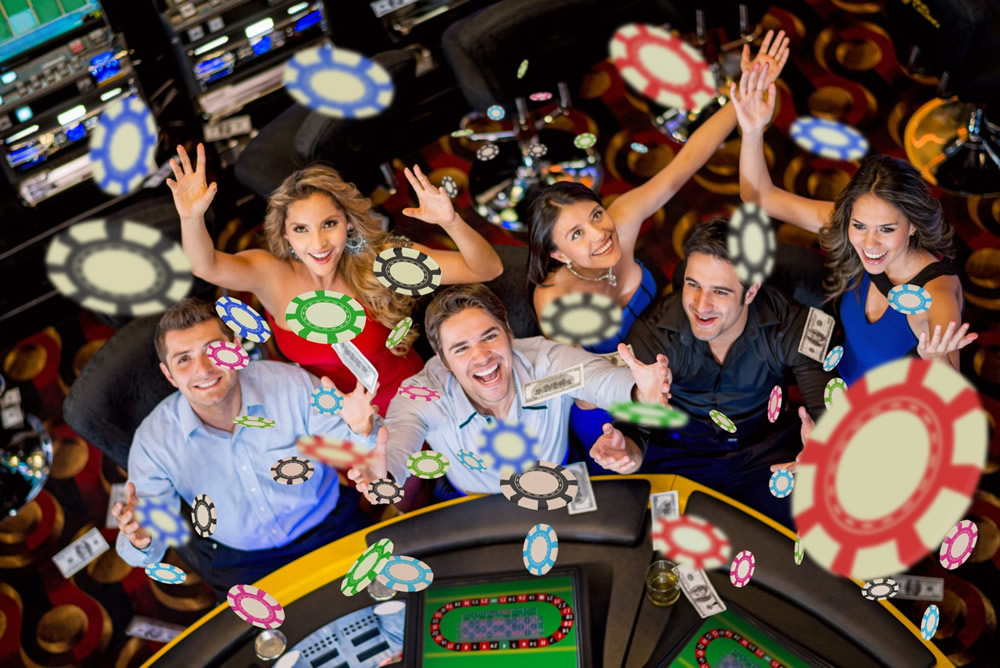
The environment of a casino plays a significant role in enhancing the psychological thrill associated with gaming. With vibrant lights, engaging sounds, and a high-energy atmosphere, casinos are designed to create an immersive experience. This sensory stimulation captures players’ attention, fueling their excitement and making them more likely to engage in prolonged play. The carefully crafted ambiance is not merely for aesthetic purposes; it is a strategic approach to keep players in a heightened state of arousal, further amplifying the thrill of gambling.
Additionally, social dynamics within a casino can also enhance psychological excitement. The camaraderie or competition amongst players creates a communal experience where individual emotions are magnified. Watching others win or lose can evoke a range of emotions from envy to euphoria, feeding into the overall thrill of the environment and influencing personal gambling behavior. Thus, the casino setting itself becomes a critical contributor to the psychological allure of gaming.
Addiction and the Dark Side of Gambling
While the thrill of casino games can be exhilarating, it is essential to acknowledge the darker side of gambling: addiction. The rush of adrenaline and pleasure from winning can quickly lead some individuals down a path where their gambling becomes compulsive. This addiction is not merely about financial loss but is deeply rooted in the psychological mechanisms that govern reward-seeking behavior. The same dopamine release that makes gambling enjoyable can compel individuals to chase losses or seek out that initial thrill repeatedly.
It is crucial for both players and their families to be aware of the potential for gambling addiction and to seek help if needed. The psychological effects of gambling can be profound and long-lasting, impacting not just the individual but also their relationships and overall well-being. Recognizing the signs of addiction and understanding the psychological factors at play can help mitigate risks and promote healthier gambling habits.
Exploring Resources for Safer Gambling
The exploration of the psychological thrill behind casino games leads to an understanding of the importance of responsible gaming. Fortunately, there are numerous resources available aimed at promoting safer gambling practices. Awareness campaigns and support groups work to educate players on the risks associated with gambling addiction while providing tools and strategies for maintaining control. Many casinos also provide guidelines and support for individuals seeking help, ensuring that the thrill of gaming does not overshadow the importance of mental health.
For anyone seeking a safe and supportive environment while navigating their fascination with casino games, exploring available resources is crucial. The aim is to balance the thrill of gambling with an understanding of its psychological implications, allowing players to enjoy the excitement responsibly. By encouraging responsible gambling practices, both players and the gaming industry can contribute to a healthier approach to this thrilling pastime.